

Surface finishes for natural stone: which ones to choose?

When faced with a choice of different finishes, even the most experienced designer can have doubts. For those outside the industry, everything can seem even more complicated.
Each finish changes not only the appearance of the stone, but also its behaviour over time. Some finishes make it non-slip, others enhance its colours, and others make it more resistant. Often, it is the combination of several requirements (aesthetic, technical, functional) that guides the choice.
This is why it is important to be well informed about the options available, but above all to rely on skilled professionals who can explain every aspect and help you make informed decisions. In this article, we will tell you about the 12 most popular finishes.
Why it is important to know about the different finishes of stone
Finishing is the treatment applied to the surface, edges and sides of the stone. It serves to meet three types of requirements, which are often intertwined:
- Aesthetics: colour, gloss or matt effect, tactile feel, texture, grain direction.
- Technical: resistance to impact, weathering, pressure or chemicals; degree of absorption; non-slip grip.
- Functionality: ease of cleaning, maintainability, usability in public spaces, surface regularity.
Every project has its own requirements. Outdoor flooring must guarantee safety and durability; a hotel lobby must be visually appealing but easy to clean; a kitchen floor must be resistant and hygienic. Even faithful integration into historic centres is often a challenge, requiring finishes that can reproduce the original appearance.
In some cases, a single stone can be enhanced in very different ways thanks to the finish. This makes it possible to reconcile budget, availability or regulatory constraints with the desired performance. For example, you can:
- alternate different finishes on the same stone to mark tactile paths in a public space;
- choose a rustic finish to cover small imperfections and optimise costs;
- use a polished finish to enhance the natural colours and patterns of the veins.
However, it should be remembered that each finish can affect the performance of the stone. Impact surface finishes (blunting, bush-hemmering, hammering), for example, create non-slip surfaces but can generate micro-fractures that require greater thickness. Conversely, smooth surfaces are easier to clean but also more slippery.
The main surface finishes of natural stone
1. Rough (Quarry-Faced) Surface
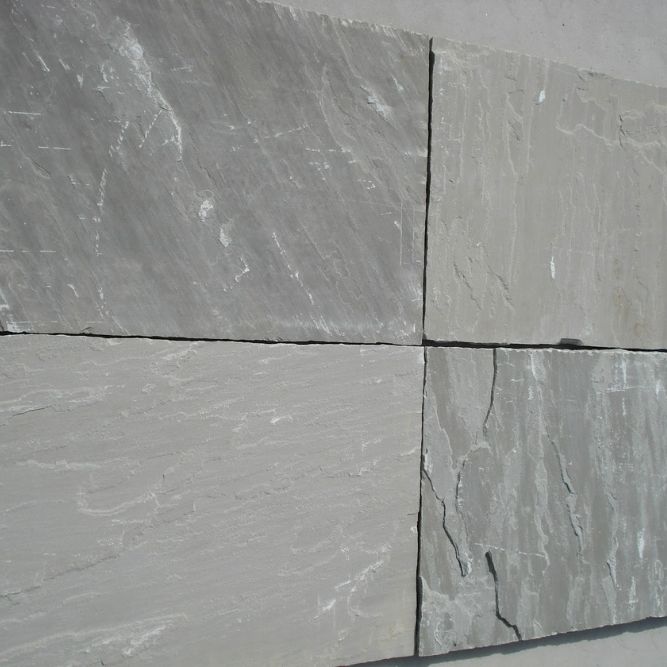
- Features: rough, natural surface, straight from the quarry.
- Advantages: no additional processing, retains the authentic appearance of the material.
- Areas of use: rustic cladding, outdoor flooring, landscape architecture.
2. Split surface
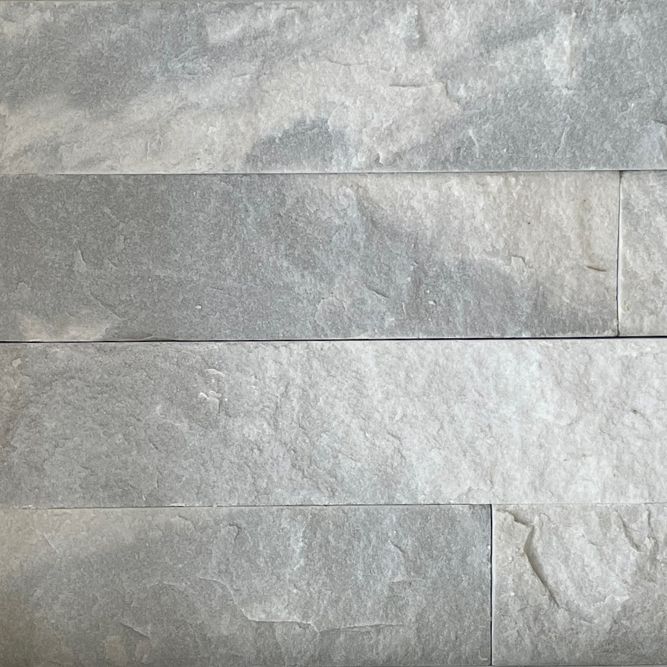
- Characteristics: obtained by splitting the stone along natural fracture lines.
- Advantages: rustic effect, high adhesion.
- Areas of use: façades, vertical surfaces, cladding, paths, dry stone walls, historic contexts.
3. Saw-cut surface
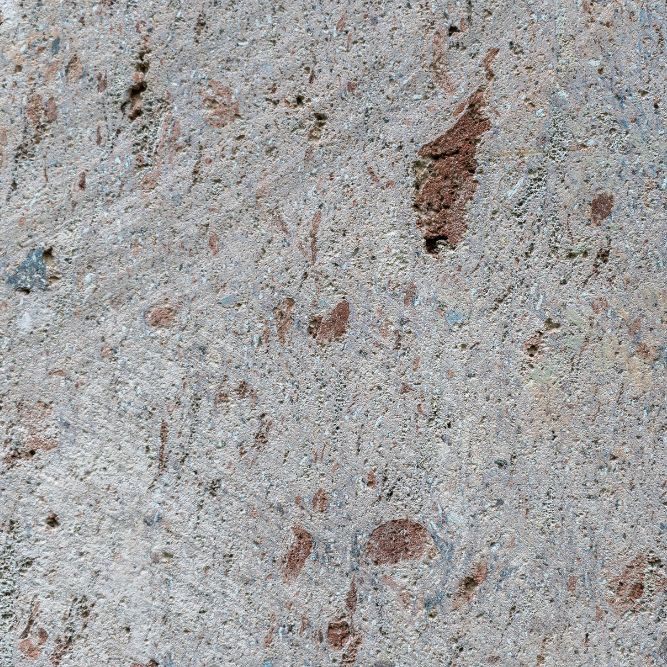
- Characteristics: surface derived from mechanical cutting, rough and uniform.
- Advantages: economical, can be used as a base for other processes.
- Areas of use: industrial construction, non-decorative structural elements.
4. Impact-Finished Surface
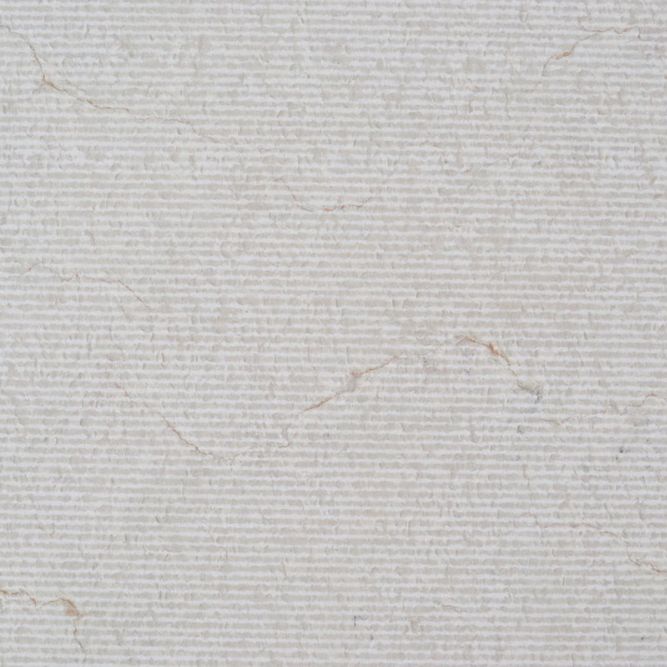
- Characteristics: obtained by bush hammering, trimming and hammering; the surface remains textured.
- Advantages: non-slip surface, masks imperfections.
- Areas of use: steps, ramps, pavements, squares.
5. Flame-Treated Surface
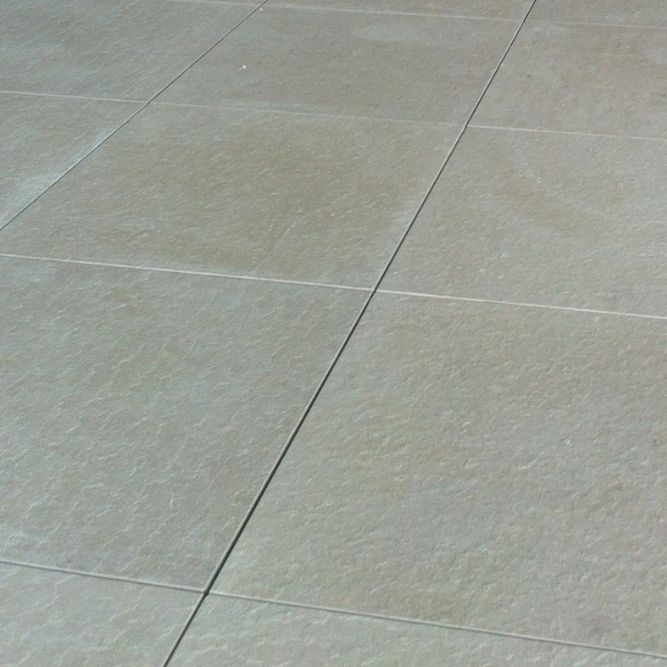
- Features: exposure to high-temperature flame (flame treatment); rough texture effect.
- Advantages: excellent adhesion, resistance to atmospheric agents.
- Areas of use: outdoor flooring, swimming pools, public squares.
6. Honed or Polished Surface
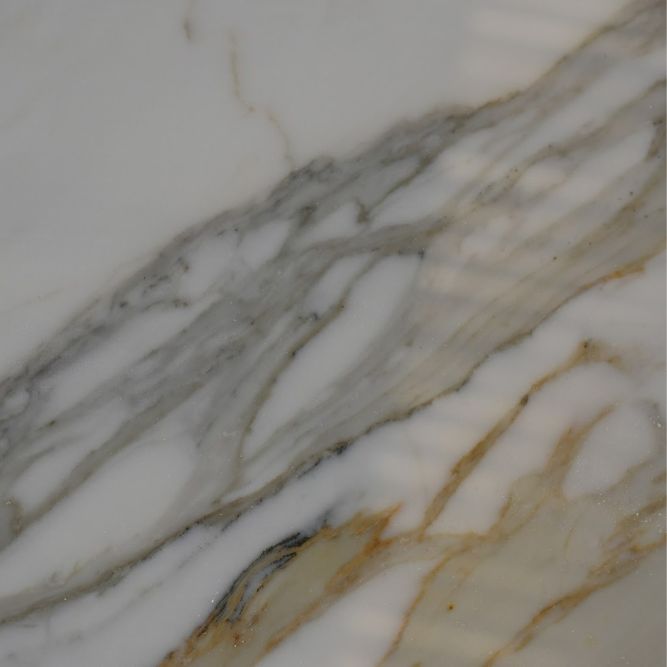
- Features: smooth surface (from sanding) or glossy surface (from polishing).
- Advantages: enhances colour and design, protects against liquids.
- Areas of use: elegant interiors, bathrooms, kitchens, staircases.
7. Chemically Treated Surface
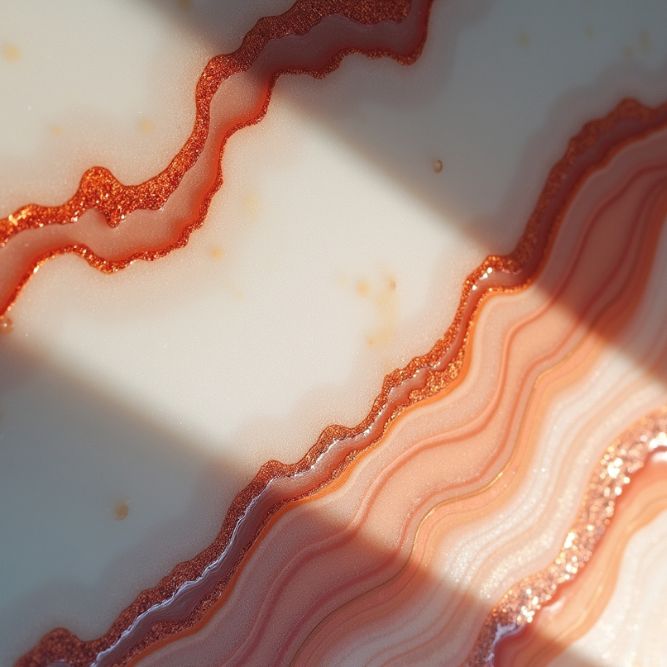
- Features: resin or fillers applied to seal micro-voids and improve appearance.
- Advantages: reinforces fragile materials, reduces absorption.
- Areas of use: kitchen worktops, bathrooms, materials with micro-cracks.
8. Antique finish
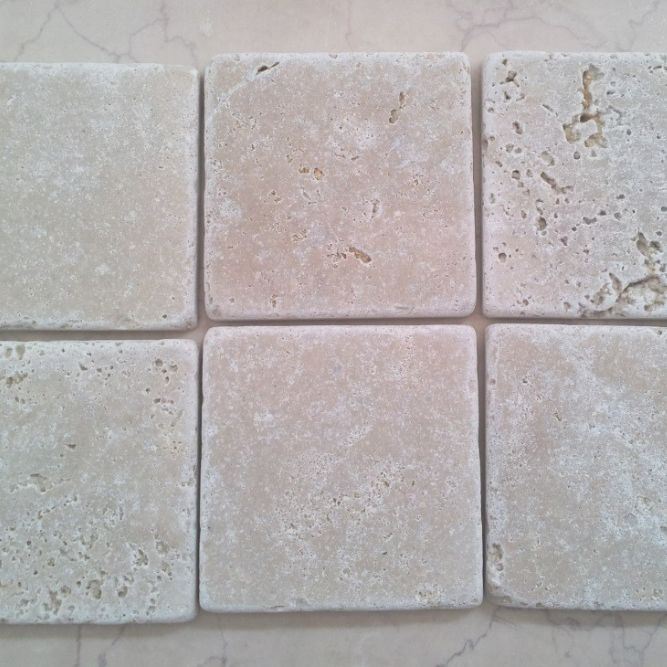
- Features: tumbling, acid treatment or sandblasting are used to achieve a worn, antique effect.
- Advantages: enhances classic aesthetics, decorative effect.
- Areas of use: traditional interiors, decorative inserts.
9. Brushed surface
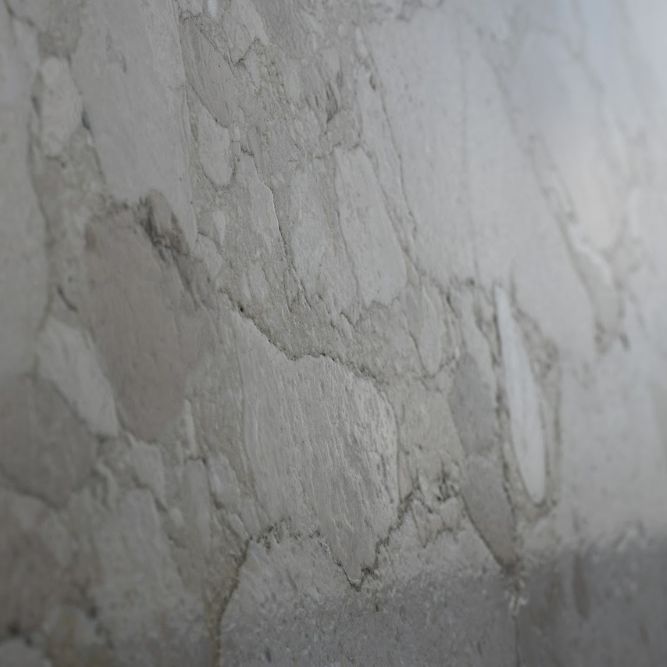
- Features: flexible abrasives create a slightly wavy surface.
- Advantages: glossy appearance, pleasant to the touch, good protection.
- Areas of use: residential environments, spas, hotels.
10. Surface treated with water or water jet
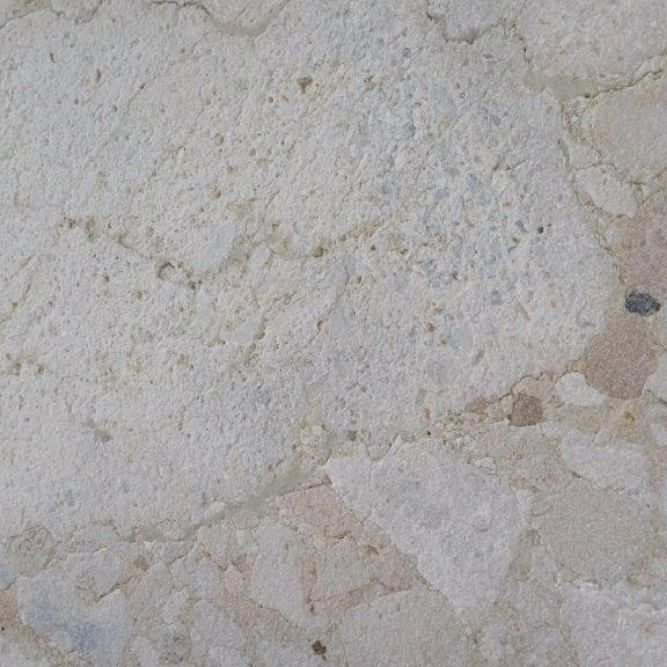
- Features: obtained using high-pressure water jets (with/without abrasive).
- Advantages: controlled roughness, does not alter colour.
- Areas of use: contemporary environments, accessible public areas.
11. Laser-treated surface
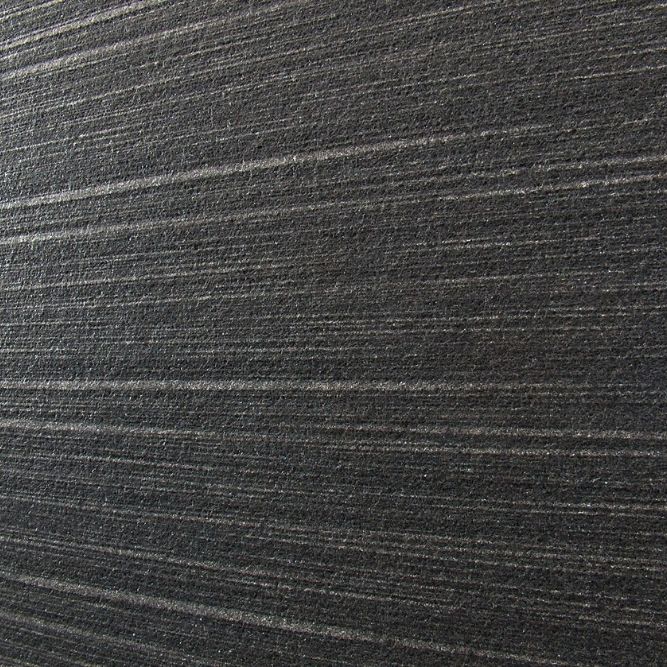
- Features: characterised by high-resolution graphic engravings.
- Advantages: allows for the creation of customised decorations, high precision.
- Areas of use: street furniture, commemorative plaques, logos and lettering on stone.
12. Next-generation 3D surface
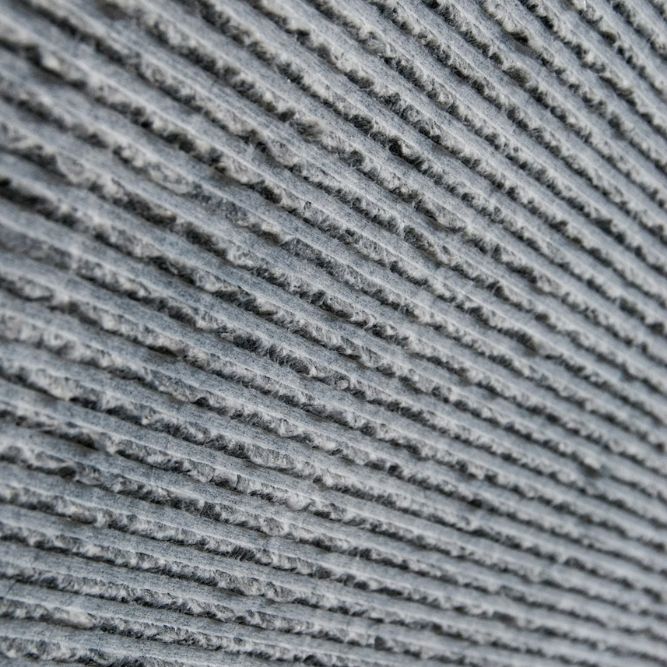
- Features: characterised by textures created in 3D during the design of the product.
- Advantages: aesthetic and functional innovation, total integration of form and surface.
- Areas of use: contemporary design, custom-made objects, scenography with optical effects.
Knowing more to choose better
The choice of finish is a crucial step in bringing out the best in natural stone and ensuring its effectiveness over time. Turning to professionals in the sector means accessing expert technical advice and designing with greater confidence and final satisfaction.
The Valpantena Marble Consortium promotes this shared design culture: from the quarry to the construction site, every step counts.
Contact us to find out more.


Contact us
We are at your disposal, below you will find our contact details.
We are waiting for you.
Consorzio Marmisti della Valpantena
P.IVA 01707830236 - REA VR-191854

